

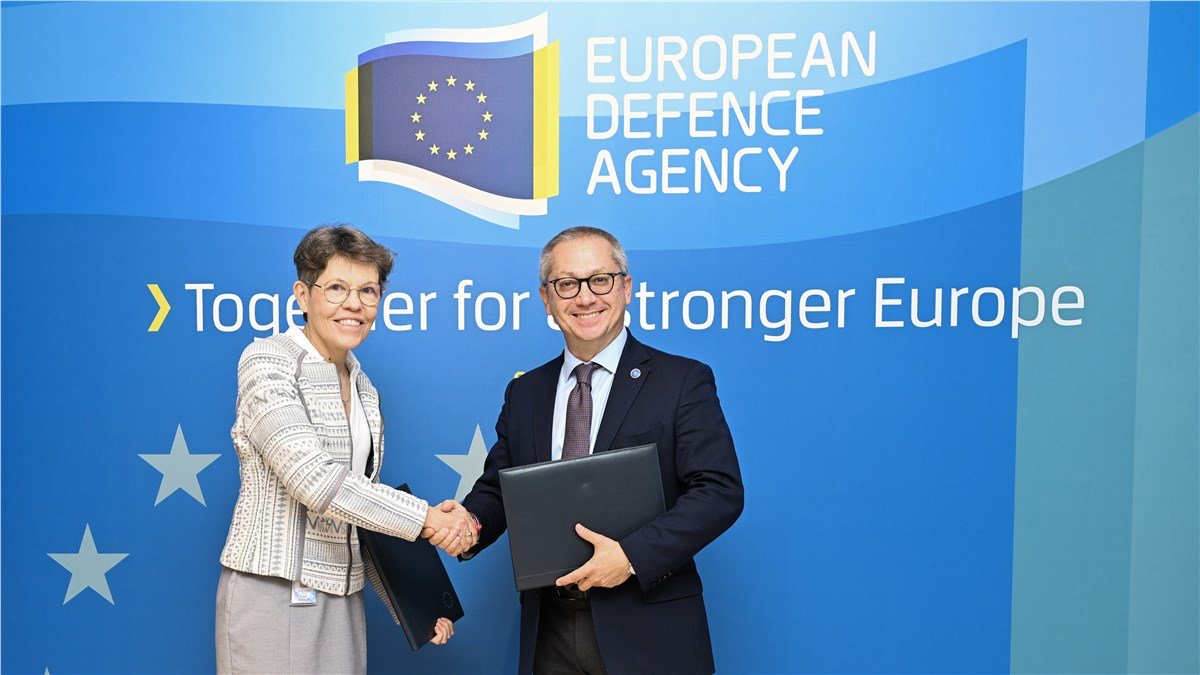
The MoU provides a practical framework to implement the strategic goals outlined in key EU policy documents, including the 2023 Council Conclusions on the EU Policy on Cyber Defence and the 2022 Joint Communication on EU Cyber Defence. These policies collectively emphasize the urgent need to strengthen EU resilience against escalating cyber threats, foster closer civil-military synergy, and invest in state-of-the-art cyber defence capabilities.
To ensure these objectives are met coherently, the two agencies will align their distinct mandates. The ECCC, as the central EU body for managing cybersecurity funding under the Horizon Europe and Digital Europe programmes, directs research priorities and financing toward civilian and dual-use projects. Conversely, the EDA identifies defence-specific research and technology priorities, including in cyber defence, and develops collaborative projects to address military capability gaps.
A central feature of the agreement is the creation of a joint “Living Roadmap.” This dynamic document will be regularly updated with priority collaborative topics, serving as a mechanism for the EDA and ECCC to exchange insights, identify synergies, and prevent duplication of effort. The operational execution of this cooperation from the EDA’s side will be channeled through its CapTech Cyber group, which focuses on research and technology activities to meet defence needs.
Ultimately, this partnership is a milestone in building a more resilient Europe. It translates the political ambition of EU Member States into concrete action, ensuring that investments in cybersecurity are mutually reinforcing and serve both civilian and defence requirements across the continent.
