

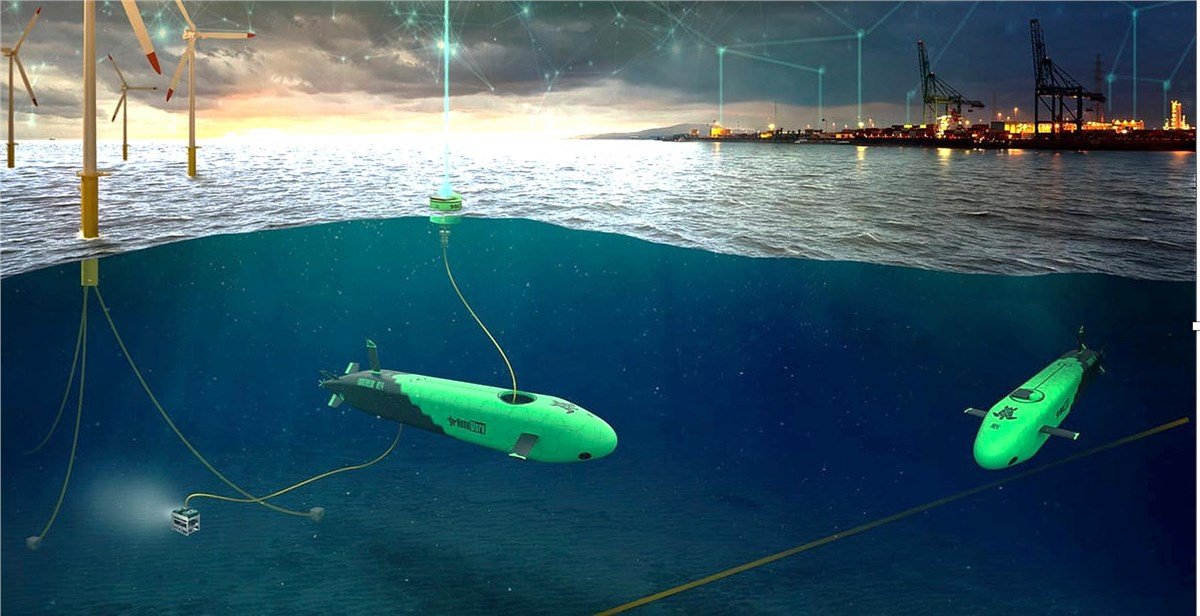
Recent incidents of suspected sabotage in the Baltic Sea have fundamentally reshaped the strategic approach to underwater infrastructure security. Traditionally, the onus for protecting these vital cables and pipelines, which are critical for global communications and energy transmission, fell on the private companies that owned them. However, rising geopolitical tensions and the severe risk of large-scale disruption have prompted a significant shift, with national militaries now assuming a central protective role.
This military involvement represents a paradigm shift in safeguarding these assets. Armed forces deploy advanced capabilities far exceeding those available to commercial operators. These include military-grade sonar arrays, autonomous underwater vehicles (AUVs), and integrated command-and-control infrastructure. Such sophisticated systems provide enhanced surveillance, deep-sea threat detection, and robust anti-sabotage monitoring. This militarization of subsea security not only strengthens deterrence against potential state or non-state actors but also guarantees a rapid, coordinated response to any illicit intrusions or attacks, thereby ensuring the integrity of these essential global networks.
