

In a major advance for space weather forecasting, NOAA’s Space Weather Follow On-Lagrange 1 (SWFO-L1) satellite launched successfully on September 24th. The spacecraft is now on a four-month journey to a special orbital position a million miles from Earth, known as Lagrange Point 1 (L1). From this unique, stable vantage point, it will become NOAA’s first dedicated operational satellite for the continuous monitoring of solar activity.
The mission’s critical command and control capability is provided by technology from L3Harris Technologies. The company designed and built the system that flies and maneuvers the spacecraft. This system is fully integrated with an L3Harris-developed ground system, which will transmit the satellite’s vital science data to NOAA’s Space Weather Prediction Center. From there, the information will be distributed globally to help governments, industries, and communities prepare for disruptive space weather.
“We are proud to support this unique NOAA mission, which will provide an early-warning beacon for potentially disruptive space weather events,” said Shikha Ganguly, General Manager, Weather, at L3Harris. “Our robust ground and data operations will ensure the continuous delivery of data and imagery protecting critical national infrastructure.”
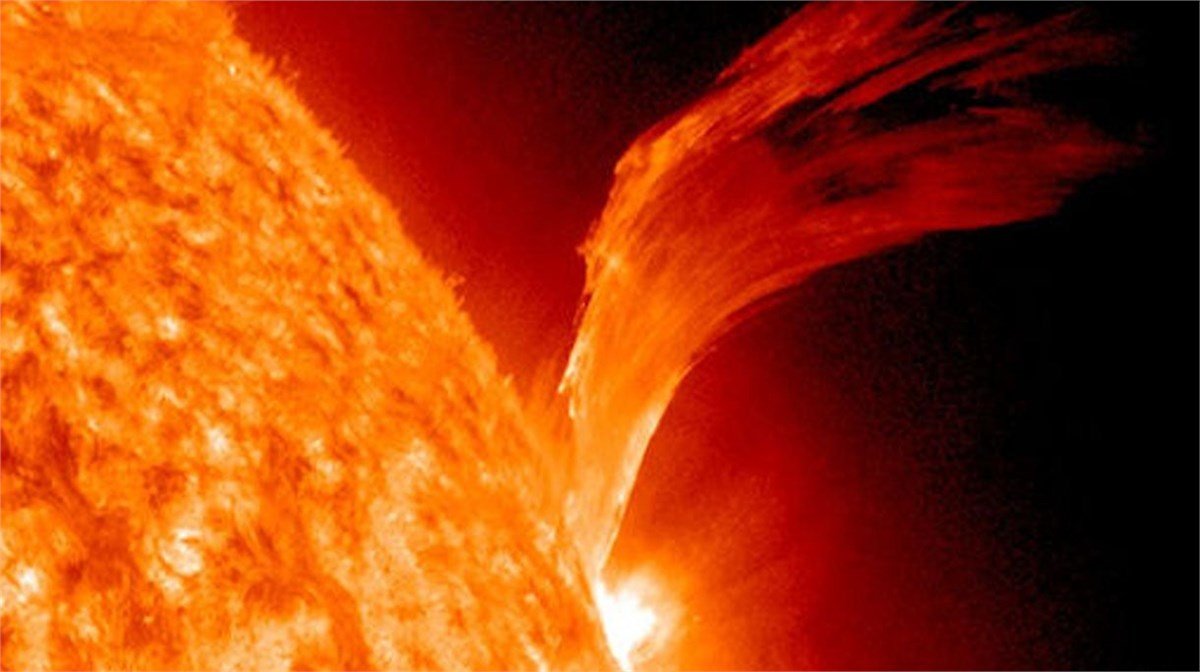
This protection is essential. While solar storms create the beautiful aurora, they also generate powerful magnetic fields that can severely impact modern technology. These events pose risks to power grids, GPS navigation, satellite communications, and radio networks relied upon by aviation, emergency services, and the military. The SWFO-L1 mission aims to provide more timely and accurate warnings of such solar outbursts, allowing for protective measures to be taken.
Following its journey, the satellite will undergo a multi-month instrument checkout and validation phase at L1. Once operational, it will work in tandem with other observatories, ensuring no gap in the crucial, continuous watch over the Sun that safeguards life and technology on Earth.
