

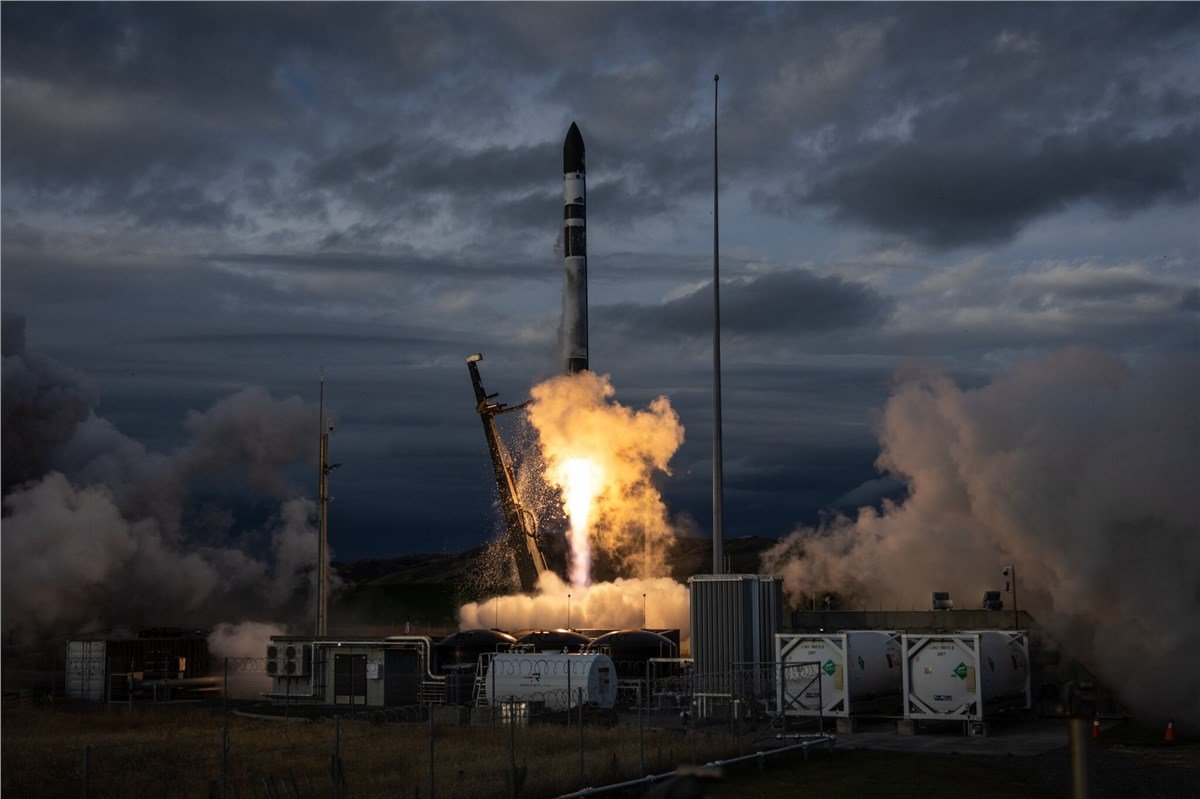
Rocket Lab has concluded 2025 with a perfect launch record, marking a new operational milestone for the commercial space industry. The company’s 21st and final Electron mission of the year, named “The Wisdom God Guides,” successfully deployed a synthetic aperture radar (SAR) satellite for its repeat Japanese customer, iQPS.
The launch occurred on December 21 from Rocket Lab’s primary site in New Zealand, sending the QPS-SAR-15 satellite to join iQPS’s growing Earth-observation constellation. This mission underscores a strong strategic partnership; Rocket Lab has now launched seven satellites for iQPS since 2023, establishing Electron as the primary launch vehicle for the constellation, with five more dedicated missions planned from 2026.
This year’s 21 launches—all successful—represent a new annual record for the Electron rocket. This achievement solidifies its status as the most frequently launched small-lift orbital rocket globally and the preeminent vehicle of its class in the United States.
“This record-setting year is a testament to the team’s relentless focus on making reliable, frequent access to space a reality,” said Rocket Lab founder and CEO, Sir Peter Beck. “Electron continues to outpace its competitors, proving itself as the trusted backbone for commercial constellations, government agencies, and national security missions.”
The mission was Rocket Lab’s 79th overall Electron launch. Looking ahead to 2026, the company plans to expand Electron’s role across a diverse manifest. This includes further multi-satellite constellation deployments, dedicated launches for civil space agencies in Japan and Europe, and specialized missions supporting hypersonic technology development and national security for defense partners.
By marrying unprecedented launch cadence with 100% mission reliability, Rocket Lab has not only set a new benchmark for operational execution but also demonstrated the critical role of dedicated small launch vehicles in building and sustaining the new space economy. The company’s 2025 record positions it for continued growth and more complex missions in the year ahead.
