

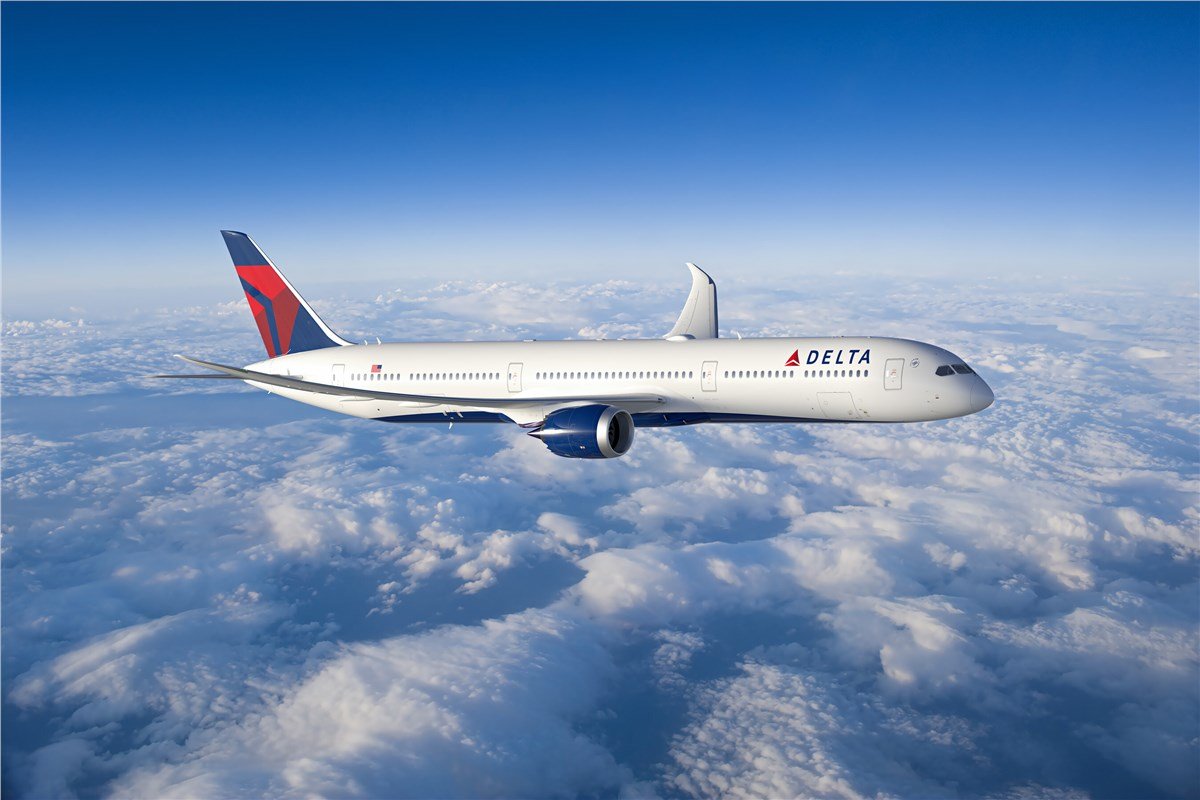
Boeing and Delta Air Lines announced a major fleet modernization move, with the U.S. carrier placing its first-ever direct order for the 787 Dreamliner. The firm order for 30 of the largest 787-10 variant, with options for 30 more, signals a strategic shift to support long-haul international growth and renew Delta’s widebody fleet.
“This investment is about building Delta’s future,” said Ed Bastian, Delta’s Chief Executive Officer. “These 787s will be pivotal in enhancing the customer experience, driving operational efficiency, and steadily replacing older, less efficient aircraft over the next decade. They will enable our world-class professionals to deliver exceptional service to more travelers across the globe.”
The 787-10 is a centerpiece of this strategy. With capacity for up to 336 passengers and touting a 25% improvement in fuel efficiency over previous-generation aircraft it will replace, the jet promises the lowest operating cost per seat in its category. For passengers, the Dreamliner experience includes the largest windows of any widebody, improved cabin humidity, and lower cabin altitude pressure, all designed to reduce travel fatigue on long-distance routes. Delta plans to deploy these aircraft on high-demand transatlantic and South American routes.
“We are thrilled Delta has selected the 787-10 for its future fleet,” said Stephanie Pope, President and CEO of Boeing Commercial Airplanes. “The Dreamliner’s combination of efficiency, range, and passenger comfort aligns perfectly with Delta’s goals for international growth and sustainability. We look forward to supporting their team and their customers.”
This order significantly deepens a long-standing partnership. Delta currently operates over 460 Boeing aircraft. The new commitment brings Delta’s firm Boeing order book to 130 airplanes, which includes a previous order for 100 737 MAX 10s. Together, these efficient and flexible single-aisle and widebody models will provide the backbone for Delta’s network expansion and diversification in the years ahead.
Beyond fleet renewal, the order represents a substantial commitment to U.S. aerospace manufacturing, supporting jobs across Boeing’s production system and extensive supply chain. The deal underscores a shared focus on advancing aviation’s sustainability goals through next-generation technology.
