

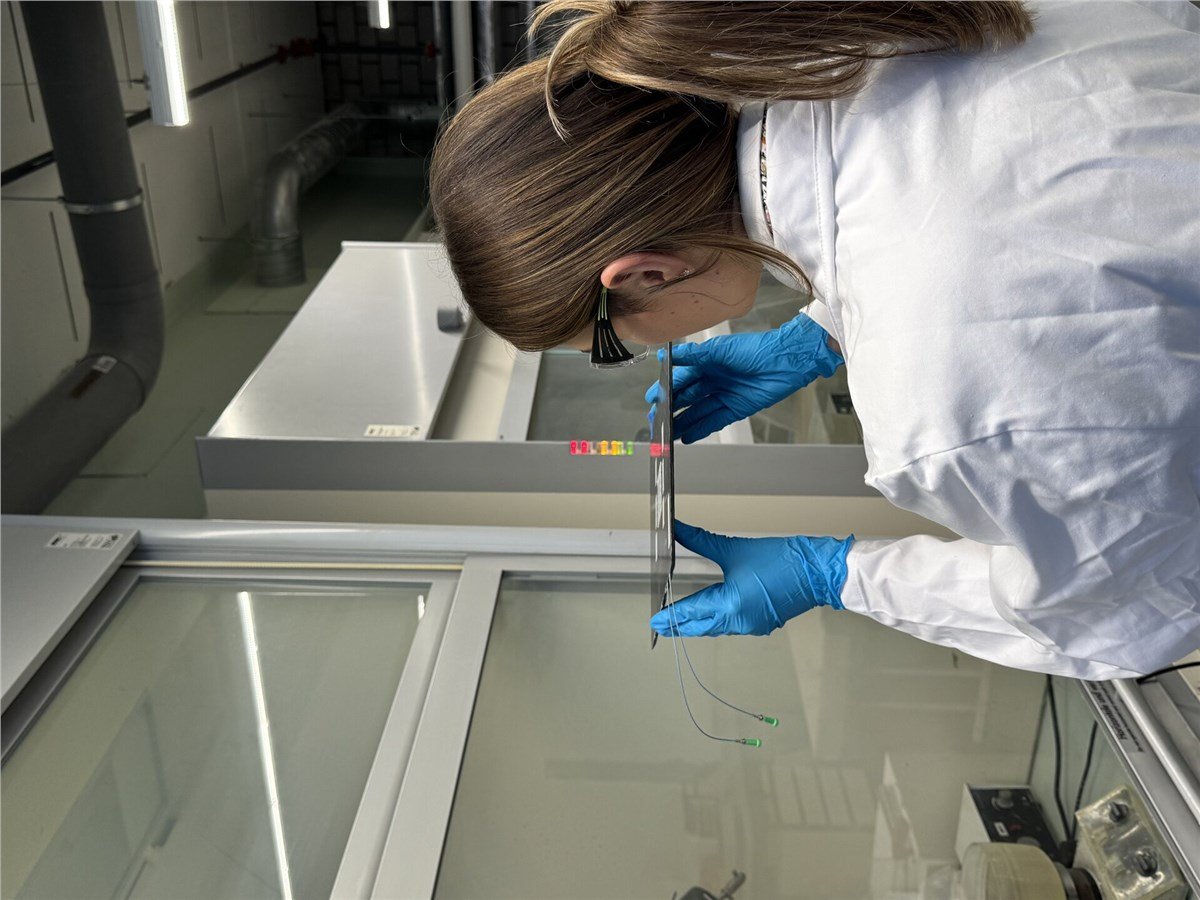
Future space missions could become significantly more sustainable and cost-effective through a new self-repairing composite technology being developed for the European Space Agency. The initiative, involving CompPair, CSEM, and Com&Sens, aims to give spacecraft the ability to autonomously heal minor damage, reducing the need for human intervention and expensive maintenance.
The core of the project lies in merging CompPair’s ‘HealTech’ material with an integrated sensor and heating system. This allows a spacecraft structure to not only detect micro-cracks caused by the thermal stress of spaceflight but also to actively repair them. By activating a built-in heating element, a healing agent within the composite fills and seals the damage, maintaining the integrity of the structure for future flights.
For Europe’s space sector, the implications are profound. As the industry shifts toward reusable launchers, the ability to quickly “heal” a component between missions could drastically lower operational costs and reduce waste. According to project leaders, this technology is a key enabler for future reusable space infrastructure, making spacecraft components lighter, more durable, and easier to maintain.
By closing the gap between routine maintenance and autonomous action, Project Cassandra is proving that European innovation can lead the way in building the resilient, self-sufficient spacecraft of tomorrow.
