

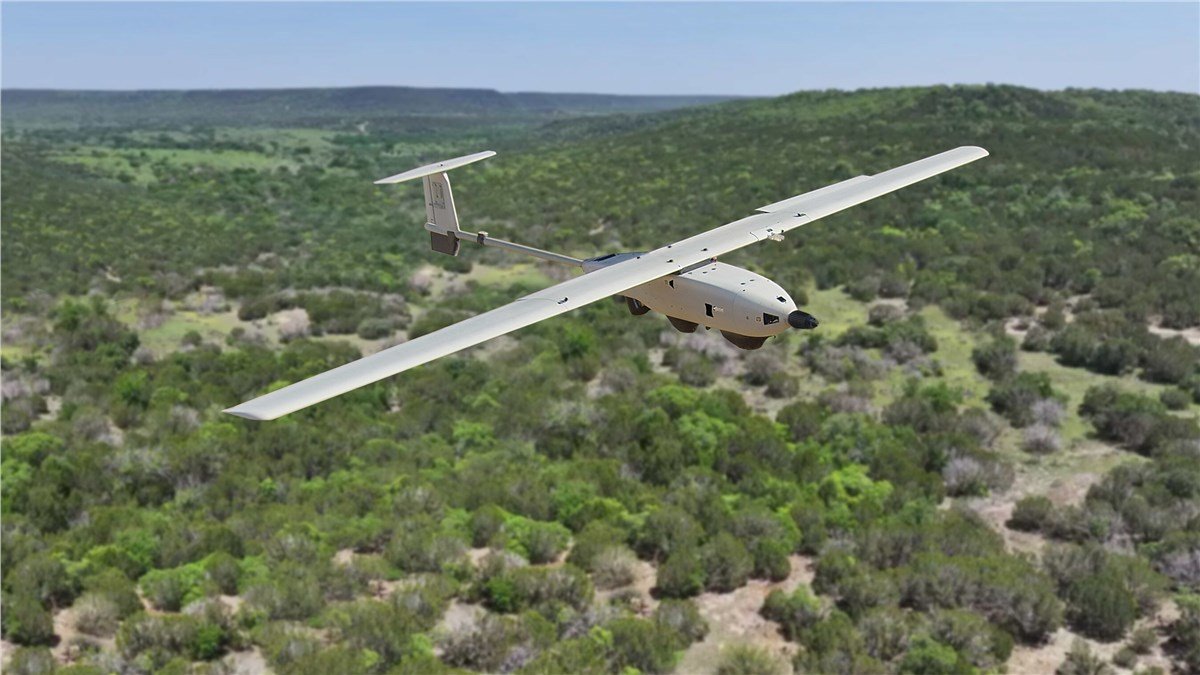
Lockheed Martin Skunk Works has successfully proven that artificial intelligence can manage critical, real-time mission contingencies, moving this capability from the laboratory directly to the operational edge. In a recent live demonstration, an AI-driven system took control when a simulated fuel emergency threatened an unmanned mission, autonomously reassigning tasks to ensure completion.
The test featured a Stalker XE UAV and a modified Alta X 2.0 drone. When the AI ground system detected the simulated fuel problem on the Stalker, it analyzed the situation and generated multiple resolution options for a human operator in seconds. Upon operator selection, the AI seamlessly transferred the Stalker’s pending mission tasks to the Alta X drone and commanded the fuel-depleted Stalker to return to base. This allowed the human operator to resolve a complex, unexpected issue with speed while maintaining focus on broader mission objectives.
Notably, this demonstration was part of a broader integrated operation. The Stalker’s mission data was fed into a unified command node that simultaneously directed an Unmanned Ground Vehicle (UGV) in a separate geographic location. This proved the viability of a single, mobile command post controlling disparate “drone meshes” across air and ground domains in various operational configurations.
“This demonstration proves AI can move from the lab to the battlefield, delivering a multitude of capabilities ranging from autonomous decision-making to rapid data flow between unmanned vehicles,” said OJ Sanchez, Vice President and General Manager of Lockheed Martin Skunk Works. “By fusing AI-enabled UAV replanning with UGV capabilities, we give warfighters the safety, speed and confidence they need to act first in contested environments.”
The team utilized Lockheed Martin’s STAR.SDK, a development toolkit within the STAR.OS software constellation, to rapidly integrate the AI contingency application. This enabled operators to interact with the system through a chat assistant, receiving and approving re-tasking options. The open STAR.OS framework is designed to allow different AI systems and unmanned platforms to work together seamlessly.
This test underscores Lockheed Martin’s commitment to delivering practical autonomous systems through open architecture. The focus is on providing tangible capabilities that enable multi-domain integration, enhancing the decision advantage and operational effectiveness of warfighters facing complex, dynamic threats.
