

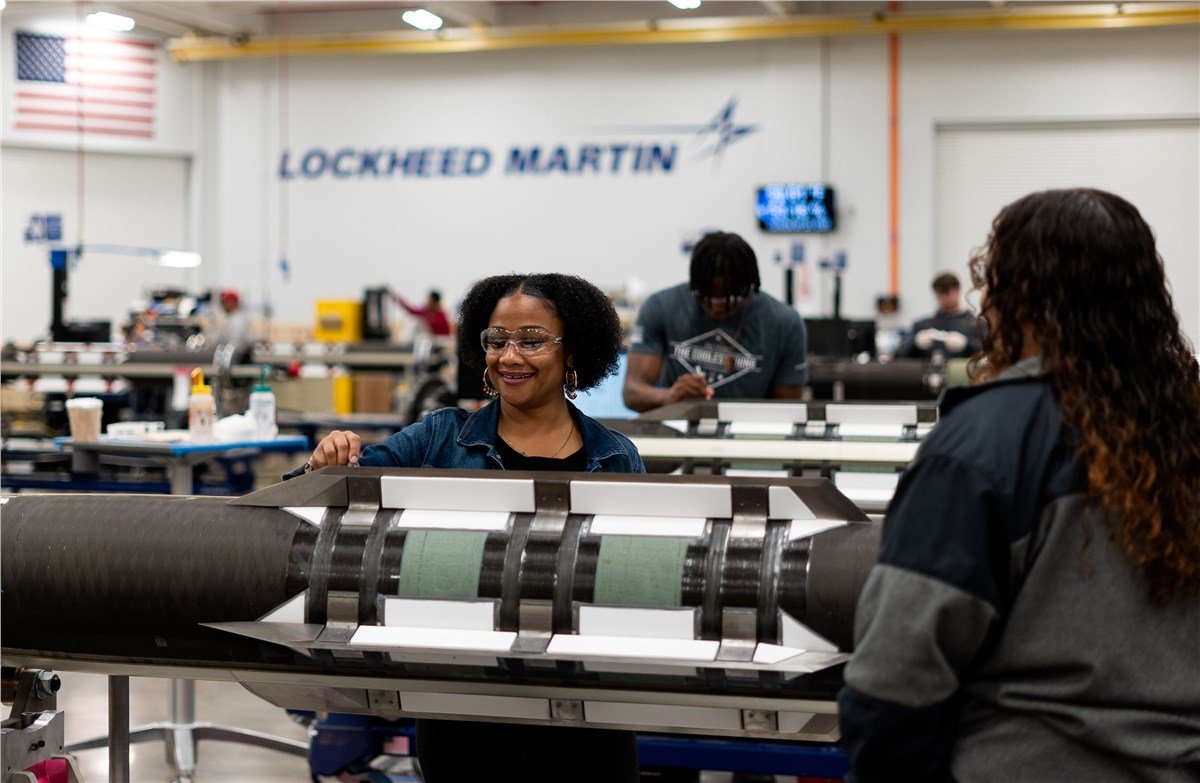
In a major shift for defense procurement, Lockheed Martin and the U.S. Department of War have finalized a landmark seven-year framework agreement designed to dramatically accelerate production of the PAC-3® Missile Segment Enhancement (MSE) interceptor. The transformative deal aims to more than triple annual output, scaling capacity from approximately 600 to 2,000 interceptors to meet soaring global demand.
The agreement is a flagship initiative under the Department of War’s Acquisition Transformation Strategy, representing one of the most significant reforms to U.S. weapons buying in decades. By providing long-term demand certainty and a collaborative financing model, the framework enables Lockheed Martin to confidently invest in its supply chain to achieve unprecedented production rates and operational efficiencies.
“This first-of-its-kind approach builds on years of advocacy and collaboration to bring commercial practices to major acquisition programs,” said Lockheed Martin Chairman, President and CEO Jim Taiclet. “We will create unprecedented capacity for PAC-3 MSE production, delivering at the speed our nation and allies demand.”
The urgency for increased capacity is clear. Following recent conflicts and heightened global threats, demand for the hit-to-kill PAC-3 MSE—a key component of integrated air and missile defense—has surged from U.S. forces, allies, and partner nations. Lockheed Martin is already scaling up, having increased production by over 60% in the past two years and delivering 620 interceptors in 2025 alone, a 20% year-over-year increase.
Beyond meeting critical security needs, the pact is expected to add thousands of American jobs across the national supply chain. It also aims to strengthen the resilience of the defense industrial base by providing predictable demand signals that allow for sustained supplier investment.
The two parties will now work toward an initial contract award, contingent on final Congressional appropriations in fiscal year 2026. The agreement underscores a shared commitment to modernizing acquisition to deliver capability at the scale and speed required by today’s strategic environment.
