

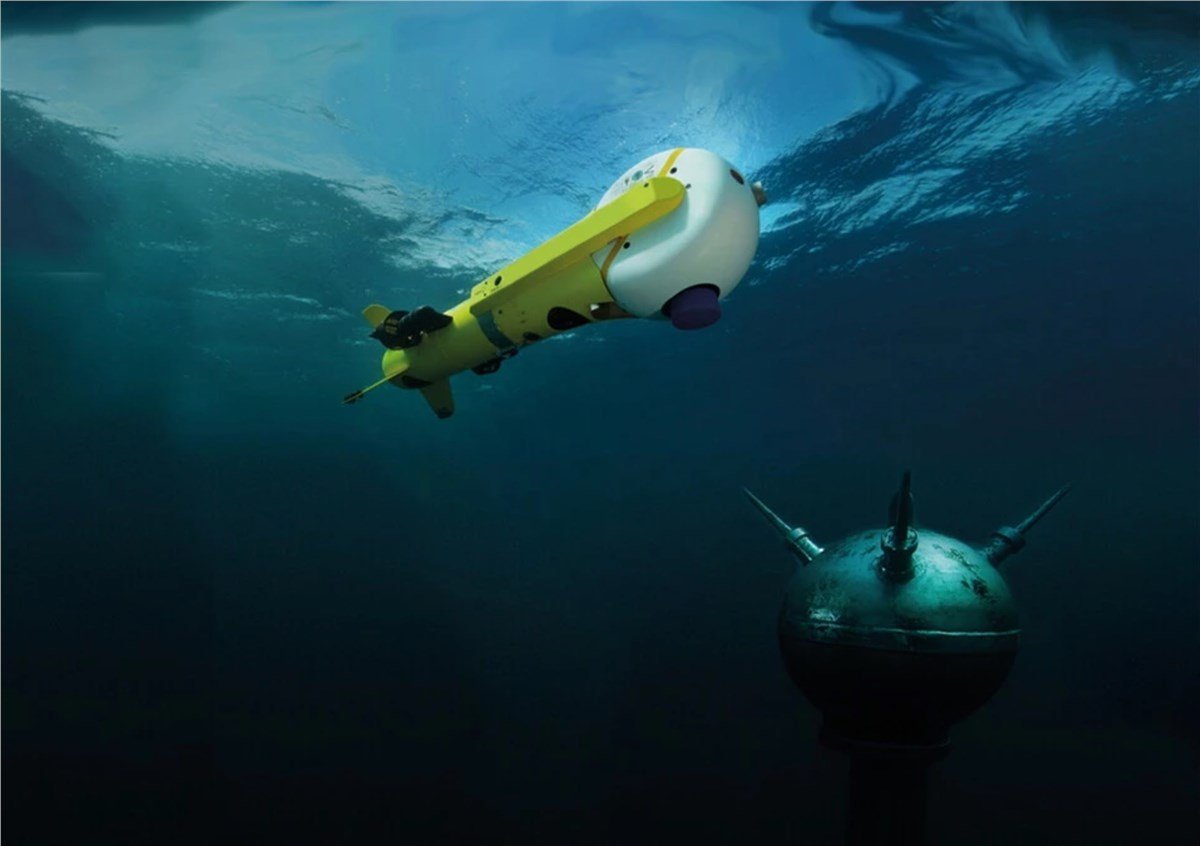
European navies are accelerating the modernization of their underwater defense capabilities through a significant new order for Exail’s K-Ster mine neutralization vehicles. Facilitated by the NATO Support and Procurement Agency (NSPA), the contract is valued at approximately 40 million euros and covers the procurement of several hundred additional autonomous systems.
This substantial order falls under a framework agreement established in 2024, which is designed to provide Alliance member navies with a rapid and streamlined pathway to acquire advanced mine countermeasure (MCM) technologies. It underscores a clear strategic push across Europe to transition from traditional, crewed MCM operations to safer, more efficient unmanned and autonomous solutions. By adopting these systems, navies can neutralize underwater threats while keeping personnel at a safe distance.
The K-Ster is a key component of this transformation. As a expendable underwater vehicle, it is designed to identify and destroy naval mines with precision. The latest order serves as a strong endorsement of its operational reliability and effectiveness in real-world conditions.
All units for European navies will be manufactured at Exail’s dedicated assembly facility in Ostend, Belgium. Opened in 2022, this site is now fully operational and represents a cornerstone of Europe’s sovereign industrial capacity in defense maritime technology. It ensures that critical knowledge and production remain within Europe, supporting strategic autonomy and secure supply chains.
Jérôme Bendell, Head of Exail’s Maritime Systems Business Line, commented on the development: “We are very proud to see European navies renewing their confidence in our solutions. This order confirms both the proven performance of K-Ster and Exail’s central role in the Alliance’s MCM modernization. With our Ostend site at full capacity, we are ready to support the deployment of next-generation capabilities.”
Beyond equipping fleets, this procurement directly strengthens collective maritime security. By expanding the K-Ster fleets available to NATO navies, it enhances the ability to secure vital sea lanes, protect underwater critical infrastructure, and maintain dominance in the underwater domain. The investment highlights the growing priority European nations place on controlling their maritime surroundings and safeguarding economic and military interests at sea.
