

Aurora Flight Sciences, a Boeing company, is accelerating the future of autonomous flight by translating advanced research into operational reality. For over 35 years, Aurora has uniquely integrated autonomy research, rigorous flight testing, and real aircraft development to build intelligent systems that make aircraft safer and more adaptable.
The company’s journey in optionally piloted aircraft (OPA) provides a critical bridge to full autonomy. This legacy, beginning with the Chiron in 1996, is exemplified today by Centaur, a next-generation OPA that serves as a cornerstone for testing. Centaur enables complex, repeatable flight tests in real-world conditions, validating autonomy algorithms and advancing trust in human-machine collaboration.
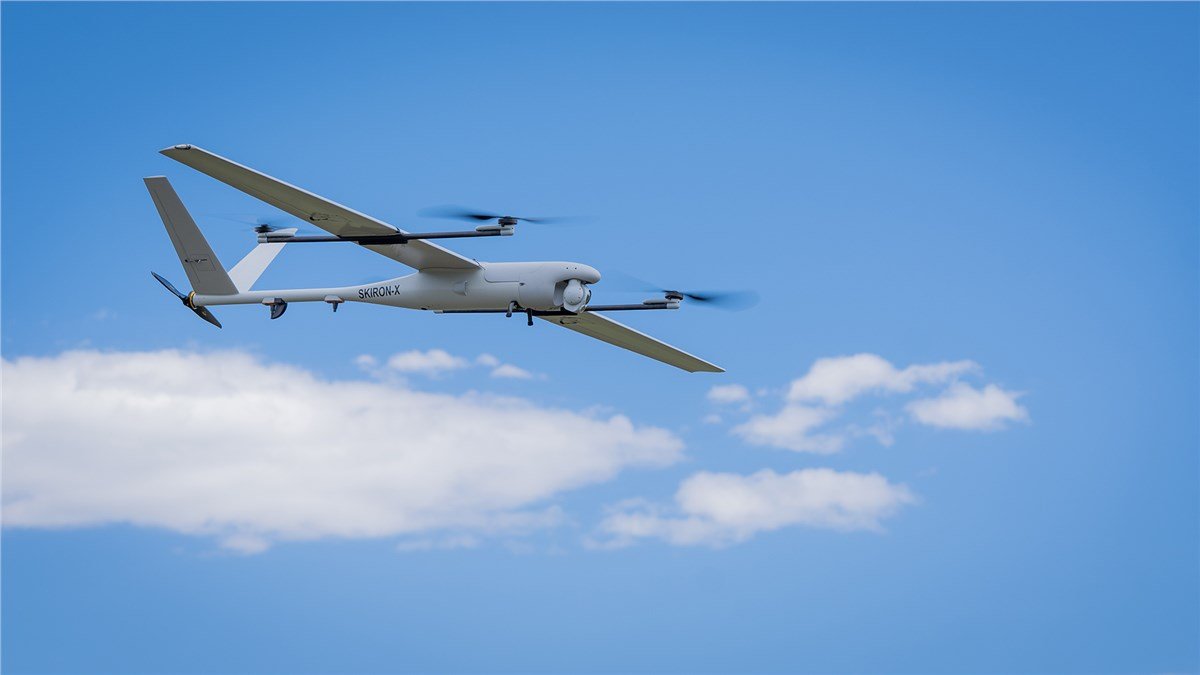
Aurora’s technical foundation in Guidance, Navigation, and Control (GNC), perception, and research allows its systems to sense surroundings, make decisions, and execute precise maneuvers. This integrated approach ensures reliability from concept to flight, applied across a versatile portfolio of platforms. The SKIRON-X sUAS acts as a rapid testbed for software and perception, while the Autonomous Aerial Cargo Utility System (AACUS) has demonstrated fully autonomous helicopter operations from takeoff to payload delivery. Centaur focuses on safe integration into the National Airspace System, and autonomous technology de-risks the testing of cutting-edge experimental aircraft.
Central to Aurora’s mission is building trustworthy autonomy. The process is human-centric, beginning in simulated environments where engineers study pilot interactions with automation. Advanced tools like hardware-in-the-loop simulation (HILSim) create a high-fidelity bridge between lab design and real-world flight, testing systems with actual aircraft hardware before any flight. This ensures safety and performance under complex conditions.
Ultimately, Aurora’s vision is one of partnership. Autonomy augments human ability, adding redundancy and precision while leveraging human judgment. This collaborative human-machine team enables safer, more complex, and more capable missions, defining how the next generation of aircraft will intelligently operate in shared airspace.
