

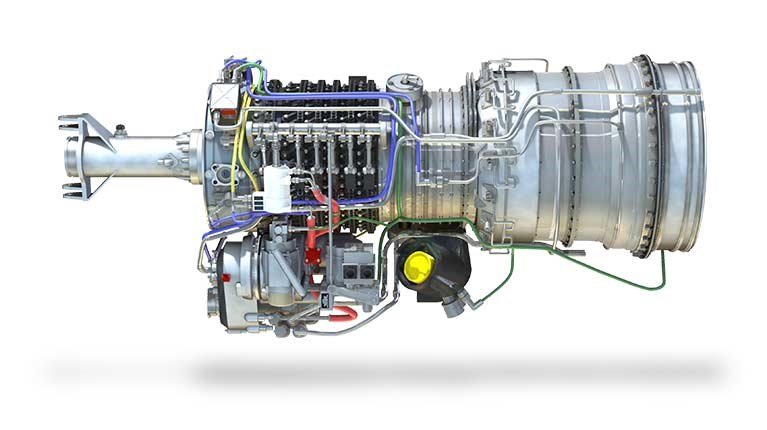
Rolls-Royce has commenced critical engine testing for the U.S. Army’s next-generation assault aircraft, marking a significant step in the service’s top modernization priority. The testing focuses on the AE 1107F engines destined for the Bell V-280 Valor, recently designated the MV-75 for the Future Long-Range Assault Aircraft (FLRAA) program.
Each MV-75 will be powered by a pair of these advanced turboshaft engines, which represent the latest evolution of the proven T406/AE 1107 family that has powered the V-22 Osprey fleet for decades. This iteration incorporates new technology for the FLRAA mission, emphasizing enhanced power density, modern cyber-secure digital controls, and integrated survivability features to operate in contested environments.
“Engine testing represents the next critical milestone in bringing this revolutionary capability to our service members,” said Candice Bineyard, Director of U.S. Business Development & Future Programs for Rolls-Royce Defense. “We are delivering an ultra-modern propulsion solution built on the foundation of a proven, low-risk engine.”
The testing activities are being conducted at the company’s advanced manufacturing campus in Indianapolis, its largest facility in the United States. Over the past ten years, Rolls-Royce has invested more than $1 billion at the site in technology enhancements, facility modernization, and new test capabilities specifically to support complex U.S. Department of Defense programs like FLRAA.
The MV-75 FLRAA is intended to replace the Army’s fleet of UH-60 Black Hawk helicopters, offering a transformative increase in operational range, speed, and survivability. By leveraging the tiltrotor design of the V-280, it will combine the vertical takeoff and landing capabilities of a helicopter with the high-speed cruise performance of an airplane. The success of the AE 1107F engine is central to achieving these performance goals, providing the reliable and robust power needed for long-range assault missions.
This phase of testing is a key enabler for the ongoing prototype development and delivery, ensuring the propulsion system meets stringent Army requirements ahead of integration and flight tests.
