

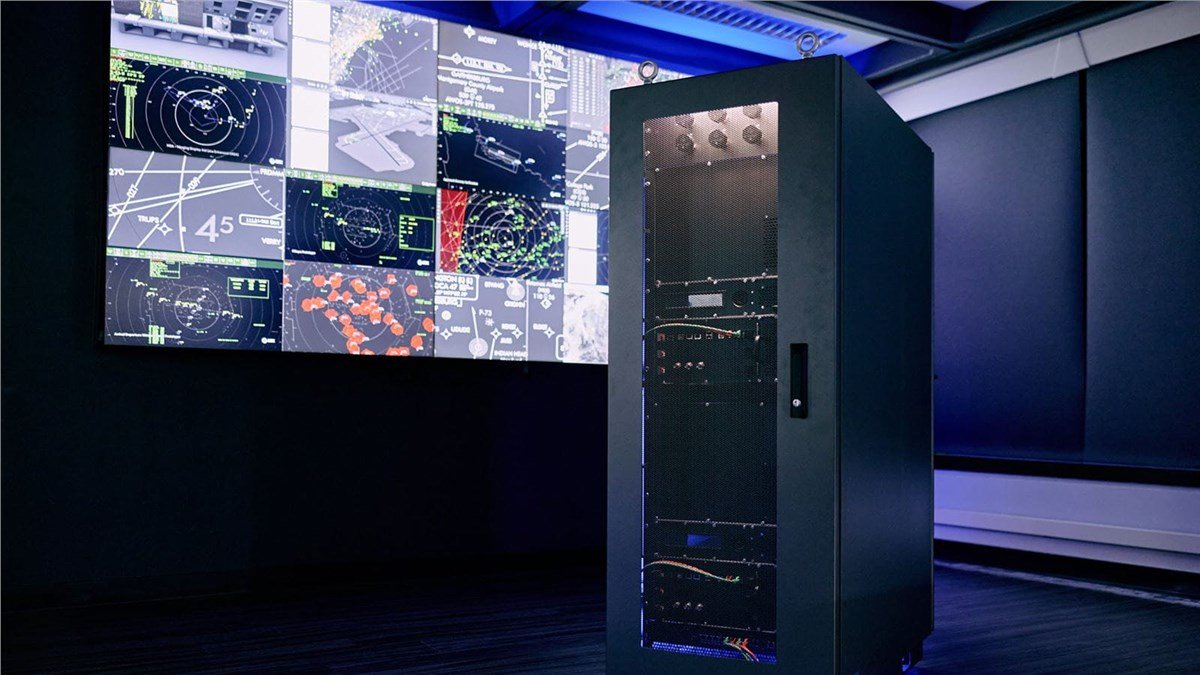
Collins Aerospace, a subsidiary of RTX, has secured a pivotal $438 million contract from the Federal Aviation Administration (FAA) to spearhead the Radar System Replacement program. This initiative is a cornerstone of the agency’s comprehensive effort to modernize the aging U.S. National Airspace System (NAS), representing a critical component of the Department of Transportation’s broader push for a brand-new air traffic control framework.
Under this contract, Collins will deploy its latest-generation cooperative and non-cooperative surveillance radars. These advanced systems are designed to provide air traffic controllers with more reliable, secure, and precise data, significantly enhancing operational safety and efficiency. The modernization effort will streamline complex operations by consolidating numerous legacy radar systems into a single, unified architecture that is more cost-effective, adaptable, and easier to maintain.
“We are honored to continue our seven-decade partnership with the FAA by delivering this transformative capability,” said Nate Boelkins, President of Avionics at Collins Aerospace. “Our solution rapidly replaces outdated technology with a modern, interoperable system that integrates seamlessly into existing infrastructure. This upgrade not only elevates safety and efficiency today but also reduces long-term operational costs and future-proofs the NAS for coming advancements.”
The deployment will feature two key radar systems:
- The Condor Mk3, a cooperative surveillance radar that communicates directly with aircraft transponders for highly accurate identification and tracking.
- The ASR-XM, a non-cooperative radar that detects aircraft via traditional reflected radio signals, ensuring coverage even if an aircraft’s transponder is inoperative.
Both systems are already FAA-qualified through rigorous prior testing, enabling a swift and confident rollout. They excel at providing precise aircraft tracking, particularly at lower altitudes and in terminal areas where congestion is highest.
RTX brings substantial proven experience to this large-scale national upgrade, with over 550 of its radar systems already operational across the current airspace. This existing foundation provides a trusted pathway for implementing this next wave of technological modernization, ensuring the U.S. maintains the world’s safest and most efficient skies for decades to come.
