

Imagine a spacecraft that can heal its own cracks, much like human skin mending a wound. This futuristic concept is moving closer to reality thanks to a collaborative project between the European Space Agency (ESA) and three innovative European companies: CompPair, CSEM, and Com&Sens. Their initiative, named Project Cassandra, aims to equip spacecraft with the ability to autonomously detect and repair damage, potentially revolutionizing how we build and maintain vehicles for space.
At the heart of this technology is a modified version of CompPair’s existing “HealTech” composite material. Carbon-fiber composites are already prized in the aerospace industry for being both strong and lightweight. However, they are vulnerable to micro-cracks and hidden damage from impacts or the extreme stress of launch and re-entry. Traditionally, repairing such damage is costly, complex, and can compromise the structure’s integrity.
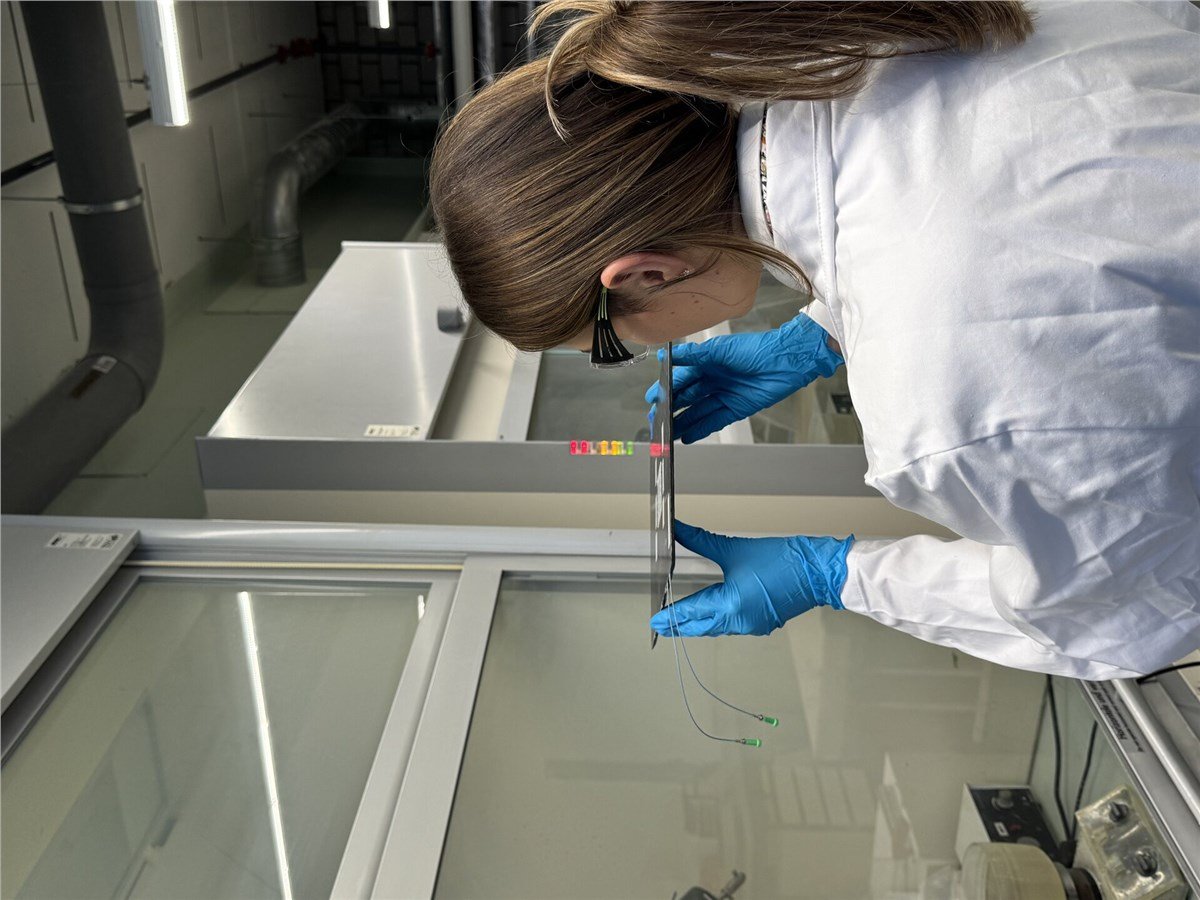
The Cassandra project enhances this composite by embedding two critical components. First, a network of fiber-optic sensors, developed with Com&Sens, acts as the material’s nervous system. These sensors can pinpoint the exact location and severity of any damage occurring within the structure. Once a problem is detected, the second component is activated: integrated 3D-printed aluminum heating grids. When heated to a specific temperature range of 100–140°C, a specialized healing agent within the HealTech resin is triggered. This agent reflows and fills the cracks, effectively sealing the damage and restoring the material’s strength.
The team has successfully tested various material samples, proving the concept’s viability. They have confirmed that the system can accurately monitor damage, heat the material uniformly, and effectively heal it. Crucially, the material has also passed thermal shock tests, demonstrating its resilience to the extreme cold of cryogenic fuel tanks.
The potential benefits for future space missions are significant. For reusable launch vehicles, which endure repeated stress, this self-repair capability could drastically extend their operational lifespan and reduce maintenance downtime. This, in turn, lowers the overall cost of access to space. Furthermore, by enabling structures to heal rather than be replaced, the technology could significantly reduce waste from space missions.
Project Cassandra, supported by ESA’s FIRST! initiative, is paving the way for smarter, more resilient spacecraft. The team’s next challenge is to scale up the technology, moving from test samples to larger, more complex structures like a complete cryogenic fuel tank. If successful, this European innovation will bring us closer to a new era of autonomous and sustainable space exploration, where spacecraft are built not just to endure, but to endure longer by taking care of themselves.
