

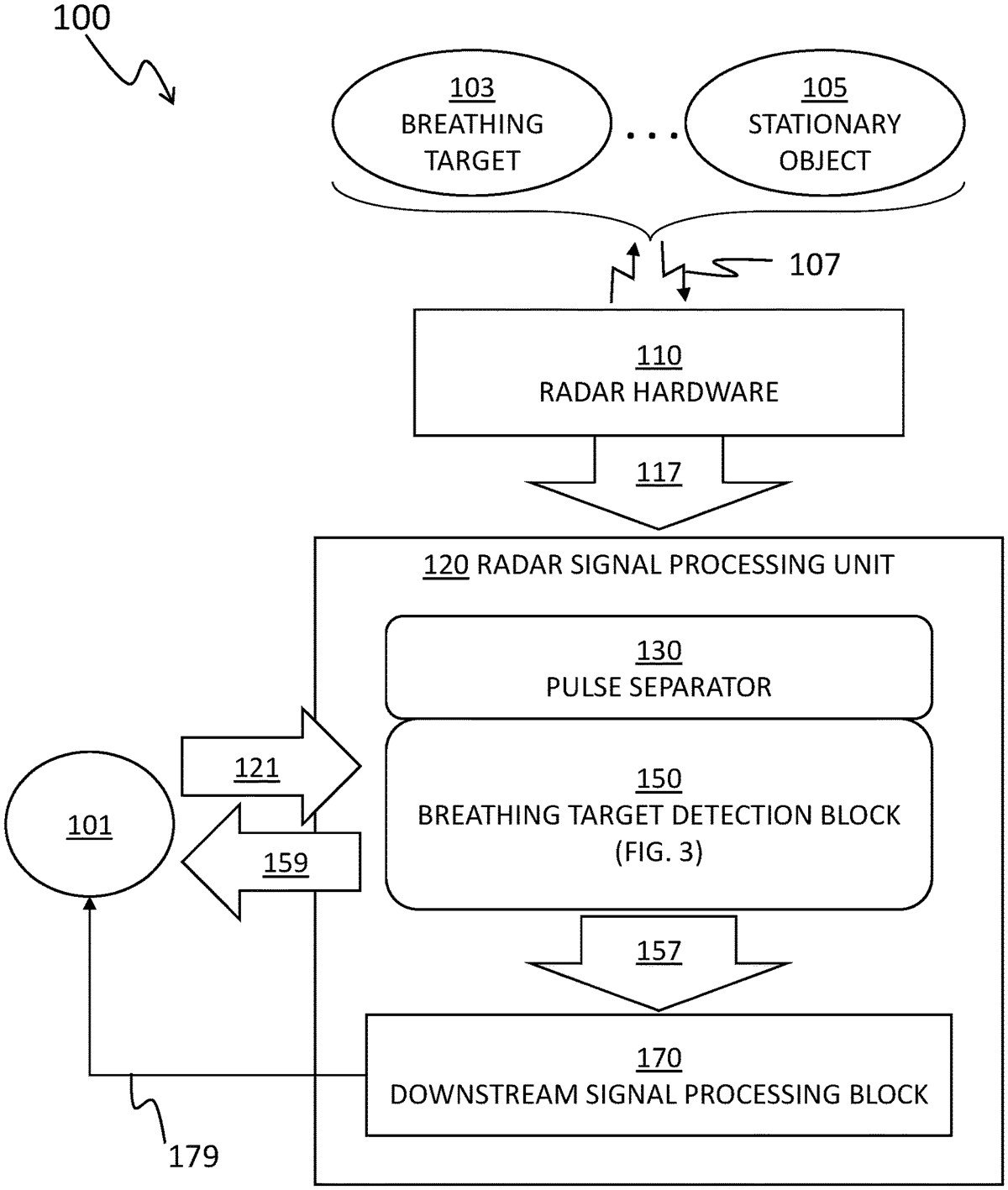
SRC, Inc., a not-for-profit research and development corporation, has been granted a significant patent by the U.S. Patent and Trademark Office. The patent, officially titled “Method and Apparatus for Detecting Breathing Radar Targets,” protects an advanced technological process that enables radar systems to detect the subtle biological motions of stationary human beings, even through walls and other solid obstructions.
This innovation represents a major leap forward in situational awareness and life-detection capabilities. The core technology allows a radar system to scan a structure, distinguish the minute rhythmic movements caused by respiration and heartbeat from other environmental motion, and precisely locate individuals who are otherwise concealed. This ability to “see” through barriers has profound implications for military, search and rescue, and law enforcement operations, where identifying the presence of non-moving personnel in a building is a critical, often dangerous challenge.
“This patent is a testament to SRC’s ongoing commitment to pioneering radar solutions that solve real-world, mission-critical problems,” said Kevin Hair, president and CEO of SRC. “It reinforces our position at the forefront of developing technologies that enhance safety and operational effectiveness for our customers.”
The patented method relies on sophisticated Doppler radar analysis. By emitting radio waves and analyzing the reflected signals with extreme sensitivity, the system can pick up micro-movements as slight as chest expansion from breathing. Advanced algorithms then filter this data to isolate the biological signatures from background clutter, providing a reliable indicator of human presence.
The inventor behind this breakthrough is John Dougherty, a chief systems engineer at SRC. A veteran innovator, Dougherty has now been named on nine patents throughout his career. His strong academic foundation includes a bachelor’s degree in electrical engineering from The University at Buffalo and dual master’s degrees in electrical engineering and business administration from Syracuse University.
This patent not only secures SRC’s proprietary technology but also underscores the company’s role in pushing the boundaries of what is possible with radar, transforming it from a tool for detecting large, moving objects into a precise instrument for sensing life itself through solid materials.
